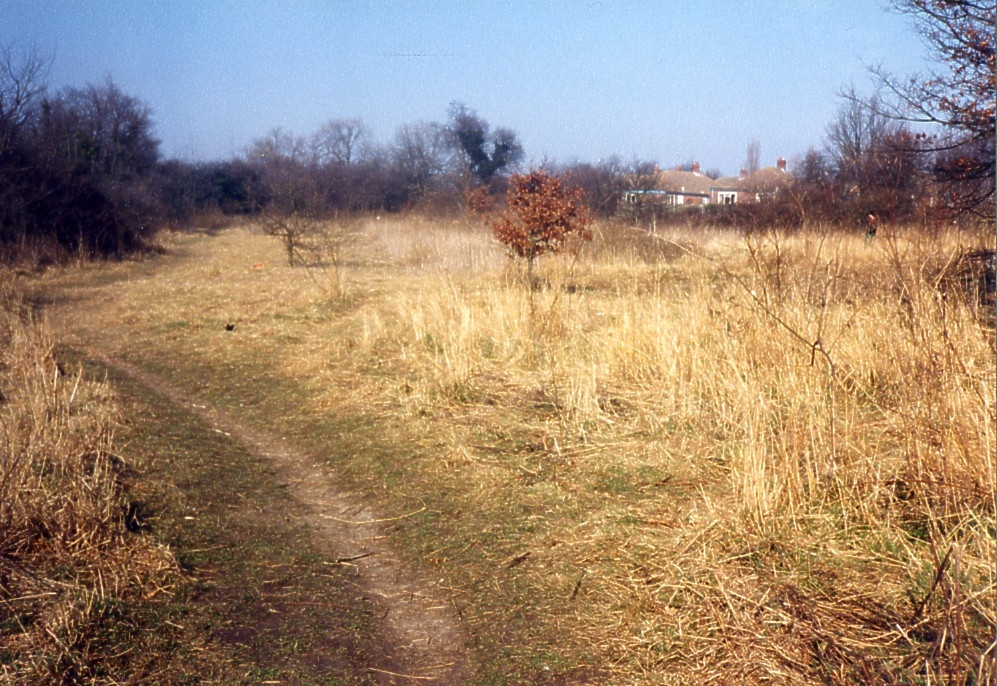
Bonds Meadow

History

Where does the name Bond come from?

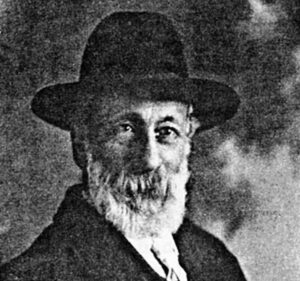
Arthur Harper Bond

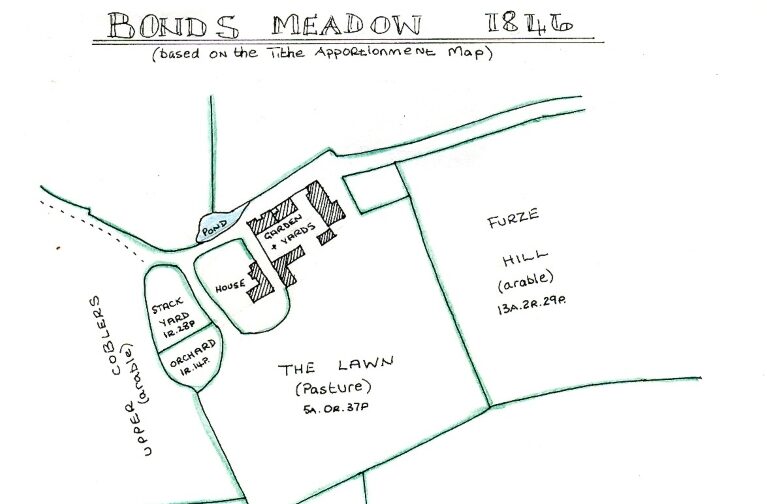
“Bonds Meadow” takes its name from Arthur Harper Bond who owned the land in the early 20th century. A colourful and somewhat flamboyant character Bond was born on 5th January 1854. Early in 1900 he purchased part Pond Farm, Oulton. Arthur purchased the old Pond Farmhouse (now Ashdale) which became the family home together with the adjacent fields. In 1905 he had laid out what is now Chestnut Avenue and was selling plots of building land there and also having houses constructed there himself. Two of his daughters married two of the sons of George Mobbs who lived at Laurel Farm, Oulton half a mile due north of Pond Farm. In 1917 he sold the farm and moved to Rookery Farm, Carlton Colville. Here he remained with his family until 1927 when he purchased “Clarenden” a large, rambling house in Kirkley.
1930 -1950

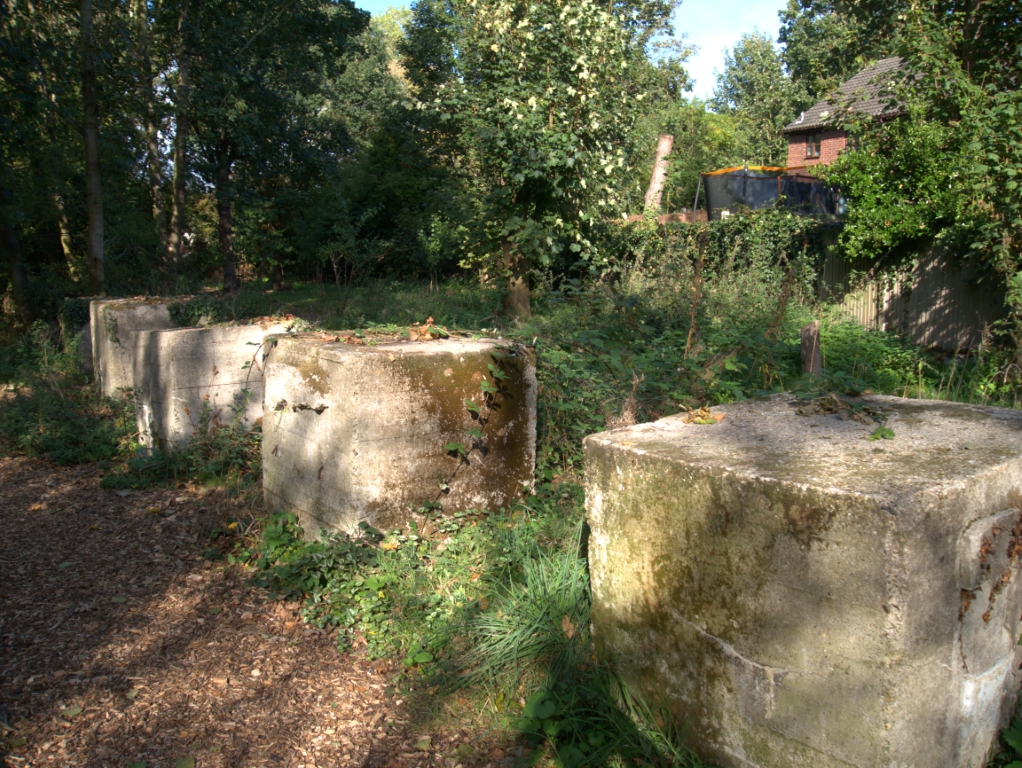
In the midst of World War II, Bonds Meadow underwent a remarkable transformation into a network of allotments as part of the spirited Dig for Victory campaign, aimed at bolstering public health amidst rationing. Alongside part of the eastern footpath, you can still stumble upon sturdy concrete tank blocks, rumoured to have guarded an anti-aircraft gun stationed to the west. Intriguingly, there have been many reports of an Italian prisoners of war work party, who briefly called this very site their temporary home.

Memories from past Bonds Meadow News

The Late Charles Swan

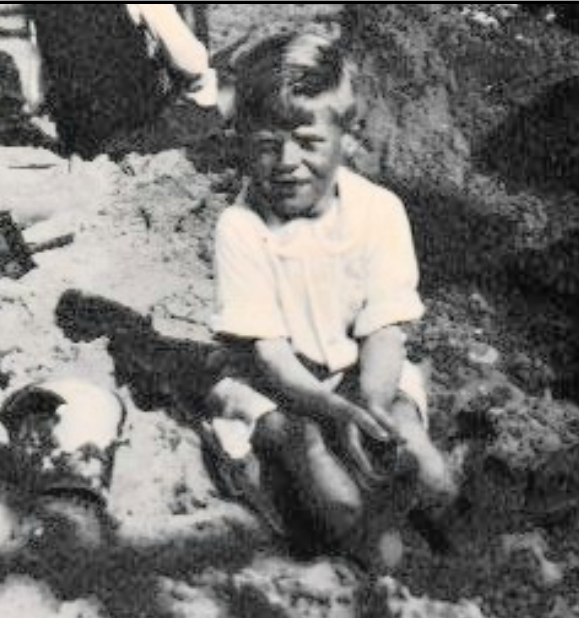
Bonds Meadow was in some ways a Kingdom of two halves. The Hall Road end was the playground for the lads from Holly Road, Commodore Road and Hall Road. The garden at the back of  4, Hall Road was indeed my Kingdom, on level ground was the pitch for football “coats for goalposts”, cricket, chasing, cowboys and Indians and of course den building, anywhere and everywhere, up trees, behind blackberry bushes, underground (ex wartime trench).

The land to the left side was open marsh and was full of wild flowers, meadow sweet, ragged robin, willow herb and common orchid. With no trees the grass became very good hay and was used by Mr Tubby. The meadow became in turn a chicken farm and a duck farm, but for some of us it will remain in our hearts forever.

At the Sands Lane end on the wall of the cottages two little girls used to sit and I married one but that’s another story.

Myra Swan

You may recall in the Memories section of our last newsletter Charles Swan wrote about his childhood experiences in the meadow and concluded with “At the Sands Lane end, on the wall of the cottages, two little girls used to sit and I married one but that’s another story”.

This issue one of those girls Myra Swann, recalls her own memories.

I was one of the little girls who sat on the wall, my sister and I used to watch the army convoys go past and the aircraft used to fly over really low on their way to the coast. We loved living in Dinsdale in spite of the war. We played on bonds meadow and helped with the harvest for which Mr Mobbs kindly gave us a threepenny piece. I remember visiting the soldiers on the meadow searchlight battery, they would let us sit on the gun and in return for water from our bungalow, we were given chocolate which at that time was a rare treat.

They were lovely times for us children because we didn’t realize the seriousness of it all.

Evolving from 1945 to 2021

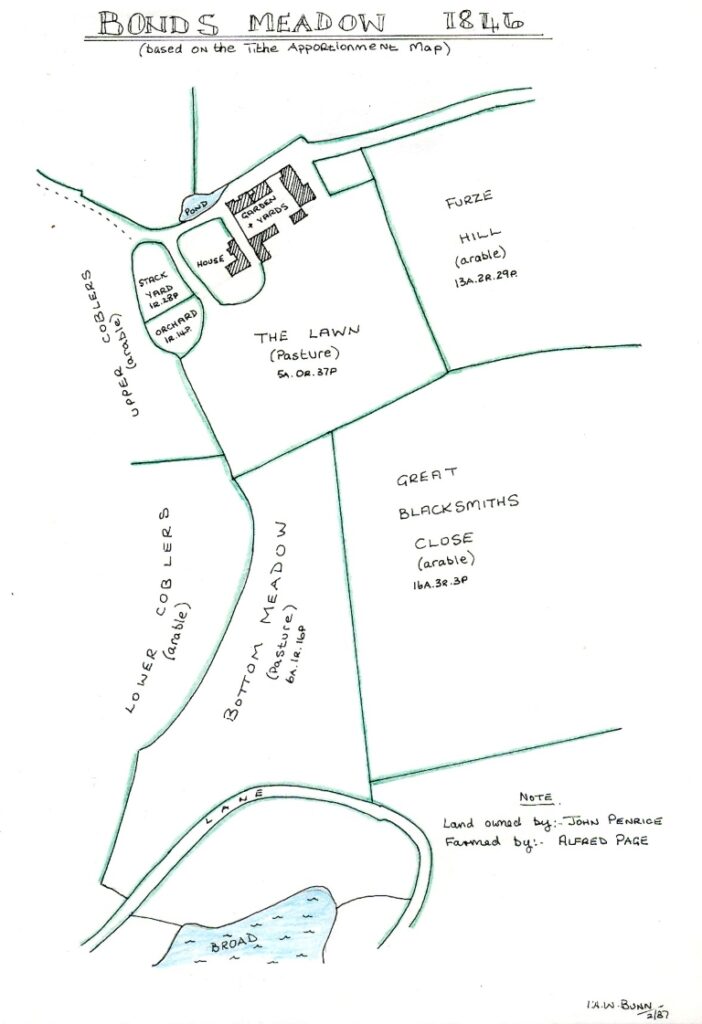
Pond Farm

Special thanks to Ivan Bunn

More Recent Events

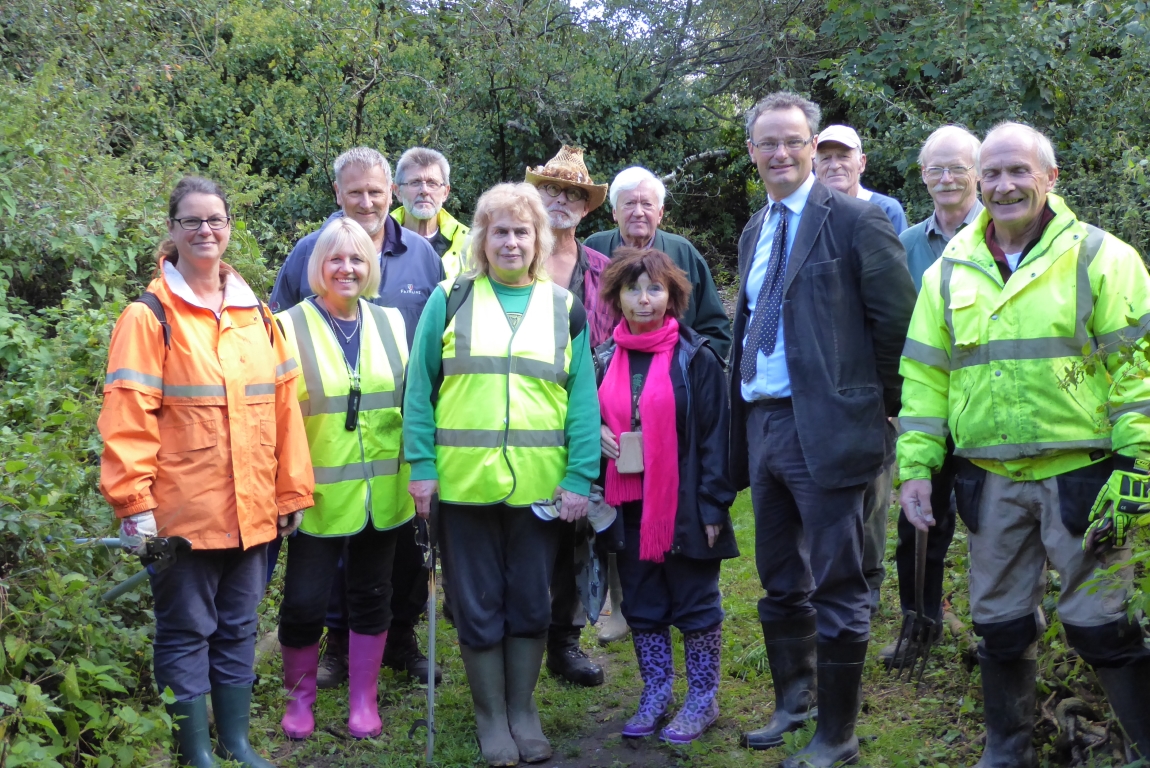
Opening of Eastern Footpath